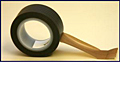
PTFE films provide a conformable release surface and exhibit a remarkably low coefficient of friction and non-stick properties. PTFE films have high temperature resistance and are virtually unaffected by all chemicals. At elevated temperatures, PTFE film still retains excellent tensile strength. Service temperatures range from -100°F to +500°F (-73°F to +260°C). Film applications include high temperature coil and capacitor wrapping, composite bonding, masking, and conveyor release linings.
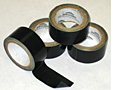
PTFE glass provide dimensional stability, high tensile strength and edge tear, operates over a temperature range from -100°F to +500°F (-73°C to +260°C), and offers better abrasion resistance than uncoated glass cloth. The PTFE surface offers quick release and chemical resistance characteristics. Anti-static PTFE glass yields improved thermal conductivity and static dissipation. Available with silicone or acrylic adhesives, PTFE glass applications include heat sealing and low friction release surface liners for conveyors.
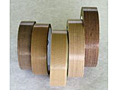
PTFE glass provide dimensional stability, high tensile strength and edge tear, operates over a temperature range from -100°F to +500°F (-73°C to +260°C), and offers better abrasion resistance than uncoated glass cloth. The PTFE surface offers quick release and chemical resistance characteristics. Anti-static PTFE glass yields improved thermal conductivity and static dissipation. Available with silicone or acrylic adhesives, PTFE glass applications include heat sealing and low friction release surface liners for conveyors.
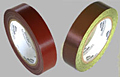
PTFE glass provide dimensional stability, high tensile strength and edge tear, operates over a temperature range from -100°F to +500°F (-73°C to +260°C), and offers better abrasion resistance than uncoated glass cloth. The PTFE surface offers quick release and chemical resistance characteristics. Anti-static PTFE glass yields improved thermal conductivity and static dissipation. Available with silicone or acrylic adhesives, PTFE glass applications include heat sealing and low friction release surface liners for conveyors.
PTFE glass provide dimensional stability, high tensile strength and edge tear, operates over a temperature range from -100°F to +500°F (-73°C to +260°C), and offers better abrasion resistance than uncoated glass cloth. The PTFE surface offers quick release and chemical resistance characteristics. Anti-static PTFE glass yields improved thermal conductivity and static dissipation. Available with silicone or acrylic adhesives, PTFE glass applications include heat sealing and low friction release surface liners for conveyors.
PTFE glass provide dimensional stability, high tensile strength and edge tear, operates over a temperature range from -100°F to +500°F (-73°C to +260°C), and offers better abrasion resistance than uncoated glass cloth. The PTFE surface offers quick release and chemical resistance characteristics. Anti-static PTFE glass yields improved thermal conductivity and static dissipation. Available with silicone or acrylic adhesives, PTFE glass applications include heat sealing and low friction release surface liners for conveyors.
PTFE glass provide dimensional stability, high tensile strength and edge tear, operates over a temperature range from -100°F to +500°F (-73°C to +260°C), and offers better abrasion resistance than uncoated glass cloth. The PTFE surface offers quick release and chemical resistance characteristics. Anti-static PTFE glass yields improved thermal conductivity and static dissipation. Available with silicone or acrylic adhesives, PTFE glass applications include heat sealing and low friction release surface liners for conveyors.
PTFE glass provide dimensional stability, high tensile strength and edge tear, operates over a temperature range from -100°F to +500°F (-73°C to +260°C), and offers better abrasion resistance than uncoated glass cloth. The PTFE surface offers quick release and chemical resistance characteristics. Anti-static PTFE glass yields improved thermal conductivity and static dissipation. Available with silicone or acrylic adhesives, PTFE glass applications include heat sealing and low friction release surface liners for conveyors.
PTFE glass provide dimensional stability, high tensile strength and edge tear, operates over a temperature range from -100°F to +500°F (-73°C to +260°C), and offers better abrasion resistance than uncoated glass cloth. The PTFE surface offers quick release and chemical resistance characteristics. Anti-static PTFE glass yields improved thermal conductivity and static dissipation. Available with silicone or acrylic adhesives, PTFE glass applications include heat sealing and low friction release surface liners for conveyors.
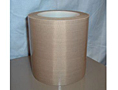
PTFE glass provide dimensional stability, high tensile strength and edge tear, operates over a temperature range from -100°F to +500°F (-73°C to +260°C), and offers better abrasion resistance than uncoated glass cloth. The PTFE surface offers quick release and chemical resistance characteristics. Anti-static PTFE glass yields improved thermal conductivity and static dissipation. Available with silicone or acrylic adhesives, PTFE glass applications include heat sealing and low friction release surface liners for conveyors.
